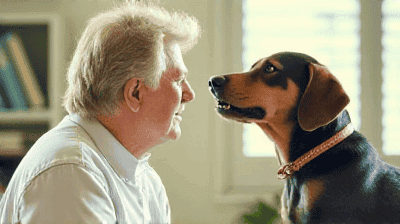
Pets are more than just companions; they are powerful teachers of important life lessons. For children, growing up with a pet can be an invaluable experience that fosters empathy, compassion, and emotional intelligence. Pets rely on their owners for care, love, and attention, and this dynamic provides children with opportunities to learn about responsibility, understanding, and kindness.

Pets are more than just companions; they are powerful teachers of important life lessons. For children, growing up with a pet can be an invaluable experience that fosters empathy, compassion, and emotional intelligence. Pets rely on their owners for care, love, and attention, and this dynamic provides children with opportunities to learn about responsibility, understanding, and kindness.
Why Empathy and Compassion Are Important
Empathy and compassion are essential qualities that help children navigate their relationships and interactions with others. Empathy is the ability to understand and share the feelings of another, while compassion involves taking action to alleviate another’s suffering. These traits enable children to build meaningful connections, resolve conflicts peacefully, and contribute positively to their communities. Teaching empathy and compassion from a young age sets the foundation for a lifetime of emotional intelligence and social responsibility.
The Benefits of Pets in Teaching Empathy and Compassion
Pets provide unique opportunities for children to practice empathy and compassion in a safe and nurturing environment. Here are some of the key benefits of having pets in this context:
- Development of Emotional Awareness: Interacting with pets helps children recognize and respond to the emotions of others, enhancing their emotional awareness.
- Practice of Responsibility: Caring for a pet teaches children to consider the needs of another living being, fostering a sense of responsibility.
- Learning to Be Gentle and Kind: Pets rely on gentle handling and kindness, which encourages children to be mindful of their actions.
- Building Trust and Bonding: The bond between a child and their pet is built on trust and mutual care, which can translate to stronger relationships with people.
- Comfort and Emotional Support: Pets offer unconditional love and can be a source of comfort during difficult times, teaching children the value of compassion.
How Pets Teach Kids Empathy and Compassion

Pets play a multifaceted role in teaching children about empathy and compassion. Here’s a closer look at how these lessons unfold through daily interactions with pets:
1. Understanding Nonverbal Cues
Pets communicate primarily through body language, facial expressions, and behavior. By observing their pet’s reactions, children learn to recognize nonverbal cues and understand what their pet is feeling. For example, a wagging tail may indicate happiness, while a tucked tail could signal fear or discomfort. This skill of interpreting nonverbal cues is essential for developing empathy in human relationships as well.
Practical Example
- Teaching Point: When a dog yelps or runs away during play, parents can explain that the dog may be scared or overwhelmed. This teaches children to be more mindful of their pet’s feelings and adjust their behavior accordingly.
2. Practicing Gentle and Respectful Behavior
Pets require gentle handling and respect for their boundaries. Teaching children to be gentle with their pets—such as not pulling on fur or tails—instills the importance of treating others with kindness and consideration.
Practical Example
- Teaching Point: When petting a cat, show children how to use soft strokes and avoid sensitive areas like the stomach or tail. This reinforces the idea that compassion involves respecting others’ comfort.
3. Learning to Anticipate Needs
Caring for a pet involves anticipating their needs, such as feeding, grooming, and providing exercise. This responsibility encourages children to think beyond their own needs and consider the well-being of another living being.
Practical Example
- Teaching Point: Assign age-appropriate pet care tasks, such as filling the water bowl or brushing the pet’s fur. Discuss how these actions help keep the pet healthy and happy.
4. Developing Patience and Persistence
Pets don’t always behave as expected, and training or caring for them can require patience. This teaches children to remain calm and persistent when faced with challenges, a valuable skill for building empathy and compassion.
Practical Example
- Teaching Point: If a dog is slow to learn a new trick, encourage children to remain patient and use positive reinforcement. This teaches them that understanding and compassion require time and effort.
5. Experiencing the Impact of Kindness
Pets respond positively to kindness, such as gentle petting, treats, or playtime. These interactions show children how their actions can have a direct impact on others’ happiness and well-being.
Practical Example
- Teaching Point: When a dog wags its tail after receiving a treat, explain to children that their kindness made the dog happy. This reinforces the connection between compassionate actions and positive outcomes.
Strategies for Maximizing the Role of Pets in Teaching Empathy and Compassion
To make the most of the lessons pets can teach, parents can take proactive steps to guide their children’s interactions and experiences. Here are some strategies to help children develop empathy and compassion through pet ownership:
1. Involve Kids in Pet Care
Involving children in pet care tasks, such as feeding, grooming, and walking, teaches them to take responsibility for another living being. This hands-on involvement helps children understand the importance of meeting the pet’s needs and fosters a sense of empathy.
Tips for Success
- Assign Age Appropriate Tasks: Younger children can help with simple tasks like filling the food bowl, while older children can take on more complex responsibilities like grooming.
- Supervise and Guide: Provide guidance and supervision to ensure tasks are completed safely and correctly.
- Discuss the Impact: Talk to your children about how their actions contribute to the pet’s well-being.
2. Encourage Positive Interactions
Encourage your children to build a strong bond with their pet through positive interactions such as playtime, cuddling, and training. These activities help children develop a sense of connection and understanding with their pet.
Tips for Success
- Teach Gentle Play: Show children how to play gently and respect the pet’s boundaries.
- Use Positive Reinforcement: Reward both children and pets for positive interactions to reinforce good behavior.
- Be a Role Model: Demonstrate compassionate behavior by treating the pet with kindness and respect.
3. Teach Children to Recognize Emotions
Help your children understand their pet’s emotions by pointing out nonverbal cues and explaining what they mean. This skill of recognizing emotions can be applied to interactions with people as well.
Tips for Success
- Observe Together: Spend time observing the pet’s behavior and discussing what it might mean.
- Ask Questions: Encourage children to think about how the pet might be feeling in different situations.
- Relate to Human Emotions: Draw parallels between the pet’s emotions and human emotions to deepen understanding.
4. Use Pets as Conversation Starters
Pets can serve as a starting point for conversations about empathy, compassion, and kindness. Use real-life examples to teach important lessons about how to treat others.
Tips for Success
- Share Stories: Tell stories about times when the pet needed help or showed affection, and discuss how that felt.
- Ask for Input: Encourage children to share their own observations and experiences with the pet.
- Discuss Scenarios: Create hypothetical scenarios and ask children how they would respond in a compassionate way.
5. Encourage Problem-Solving
Teaching children to solve problems related to pet care, such as figuring out why a pet is behaving differently or finding ways to keep them entertained, helps develop empathy and compassion.
Tips for Success
- Brainstorm Solutions: Work together to come up with solutions to challenges involving the pet.
- Teach Patience: Remind children that problem-solving takes time and effort.
- Celebrate Successes: Acknowledge and celebrate when children successfully address a pet’s needs or behavior.
Addressing Challenges in Teaching Empathy and Compassion Through Pets

While pets can be powerful teachers, there may be challenges along the way. Here are some common obstacles and tips for overcoming them:
1. Lack of Interest
Some children may show little interest in their pet or in learning about empathy and compassion. To address this, try to make pet care and interactions more engaging and fun.
Solutions
- Introduce Games: Incorporate games and activities that involve the pet, such as fetch or hide-and-seek.
- Offer Incentives: Use small rewards or praise to encourage participation in pet care tasks.
- Find Common Interests: Identify activities that both the child and the pet enjoy, such as playing with a favorite toy.
2. Fear or Anxiety
Children who are afraid of pets may struggle to develop empathy and compassion. Help them overcome their fear by gradual exposure and positive reinforcement.
Solutions
- Start Slowly: Introduce the child to the pet in a calm and controlled manner, allowing them to observe from a distance at first.
- Use Positive Reinforcement: Reward the child for small steps, such as sitting near the pet or gently touching them.
- Address Misconceptions: Educate the child about the pet’s behavior and reassure them that the pet is friendly.
3. Overwhelming Responsibilities
For younger children, pet care tasks may feel overwhelming. Break responsibilities into smaller steps and provide support to help them succeed.
Solutions
- Simplify Tasks: Break tasks into manageable steps, such as helping to pour food into the bowl rather than handling the entire feeding routine.
- Offer Guidance: Provide hands-on guidance and supervision to help children complete tasks.
- Praise Effort: Acknowledge and praise the child’s efforts, even if the task isn’t done perfectly.
Conclusion
Pets play a vital role in teaching children empathy and compassion, providing them with opportunities to practice kindness, responsibility, and emotional awareness. By involving children in pet care, encouraging positive interactions, and using pets as a starting point for conversations about empathy, parents can help their children develop important life skills that will serve them well throughout their lives. While there may be challenges along the way, the lessons learned from growing up with a pet are invaluable, fostering a lifelong sense of connection and understanding. So, embrace the joy of pet ownership and watch as your children grow into caring, compassionate individuals.